

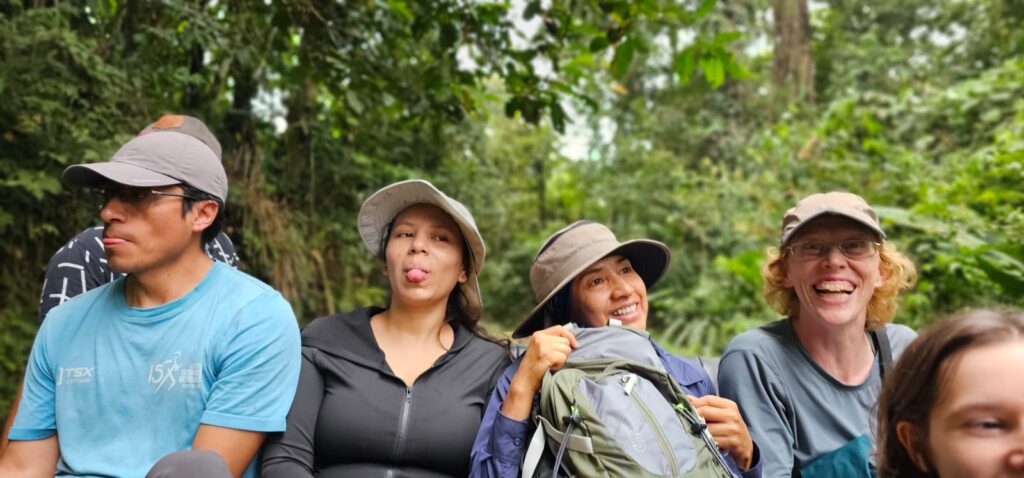
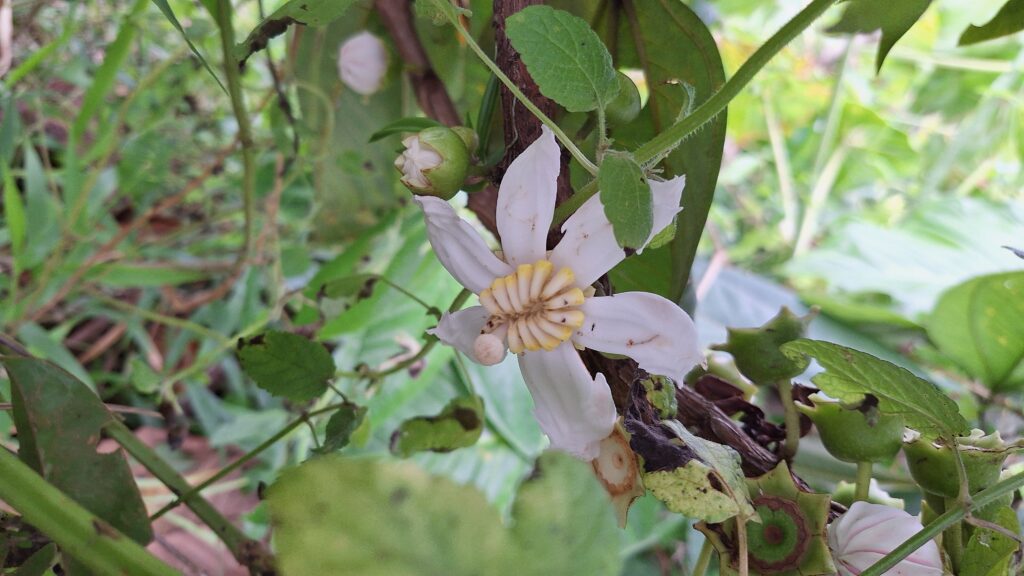
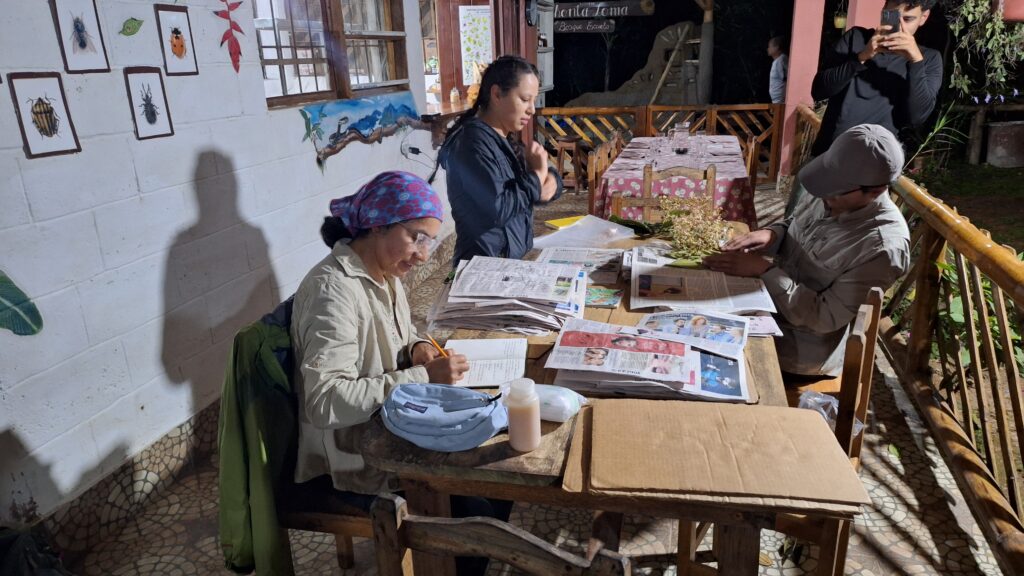
Fall 2025 marked a busy time in the PAIn lab with fieldwork in Ecuador, Madagascar and South Africa! Agnes had the luxury of travelling to all three countries – in late August, César, Juliane and Agnes left to travel to Quito, where they met up with Agnes’ long-term collaborator Diana Ferández-Fernández from the Instituto Nacional de Biodiversidad, her students Juan Carlos and Madelén, and Laura Lopresti from Australia. The team spent a week exploring the Western slopes of the Andean cordillera down into the Chocó to select appropriate study sites for the third elevational gradient studied in the MountBuzz project (see https://mountbuzz.univie.ac.at/). Covering high-elevation cloud forests above 3000 m all the way down to lowland rainforests close to sea level in the Chocó in just a week was in incredible experience. The team at first thought they were only going to find fruits on the Melastomataceae species – but as always, close examination and searching in the forest yielded more flowers, and some exciting discoveries – including new vertebrate pollinators in the genus Blakea, and generalist insect pollinators in Miconia. Agnes left the team after the initial training in mid September, while the MountBuzz Ecuador team stayed in the field until the end of November documenting the reproductive biology of 45 Melastomataceae species!


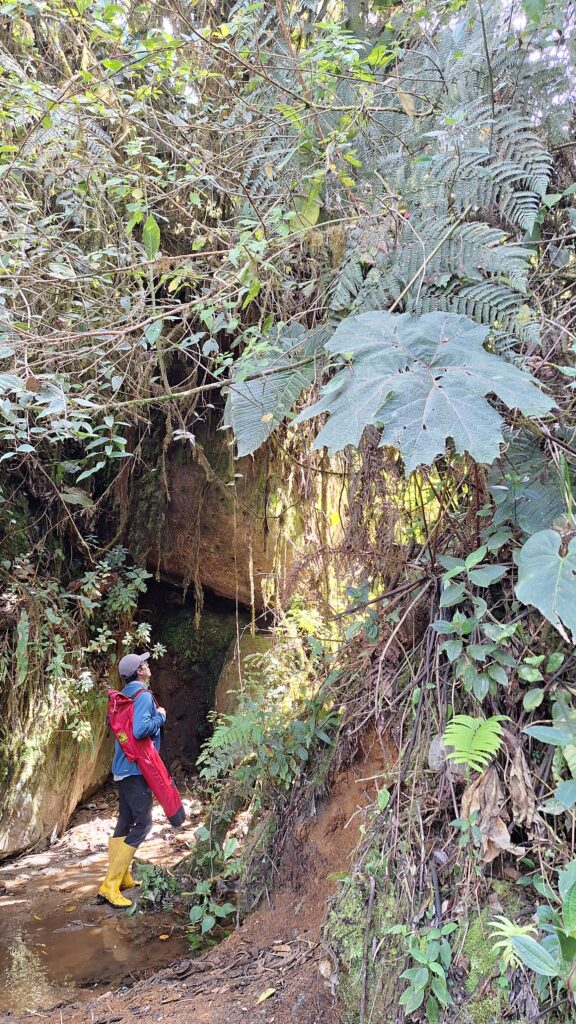
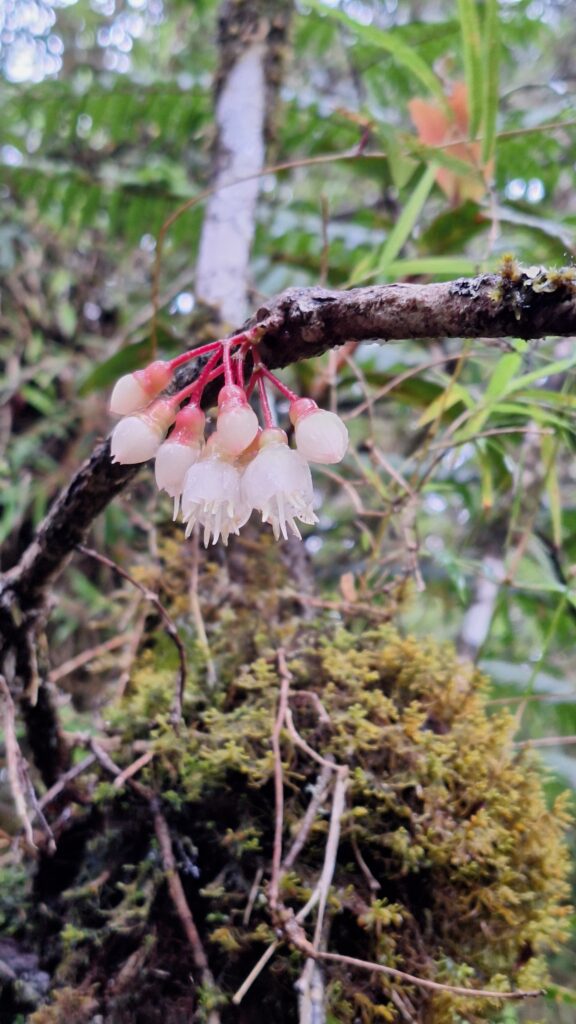
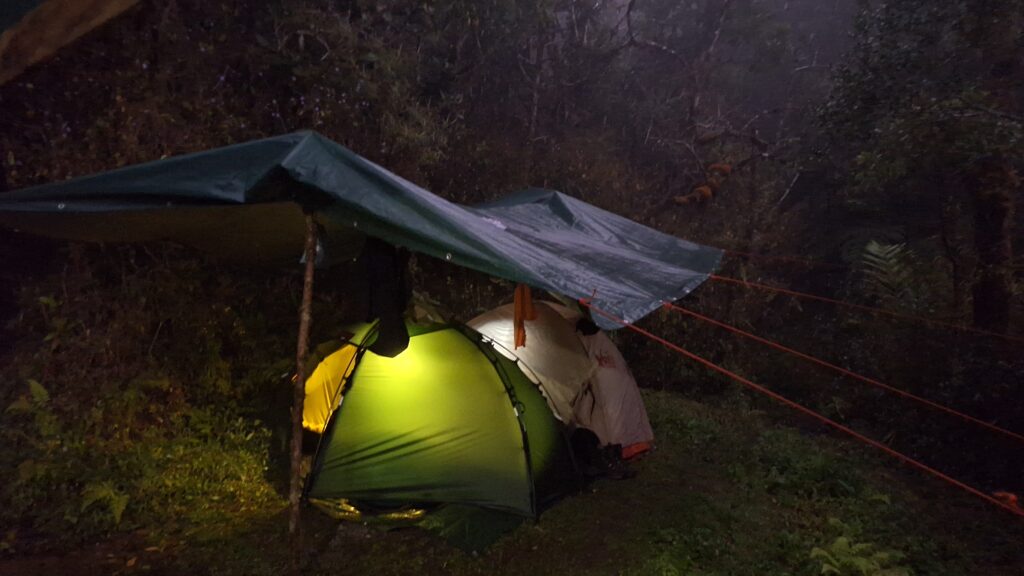
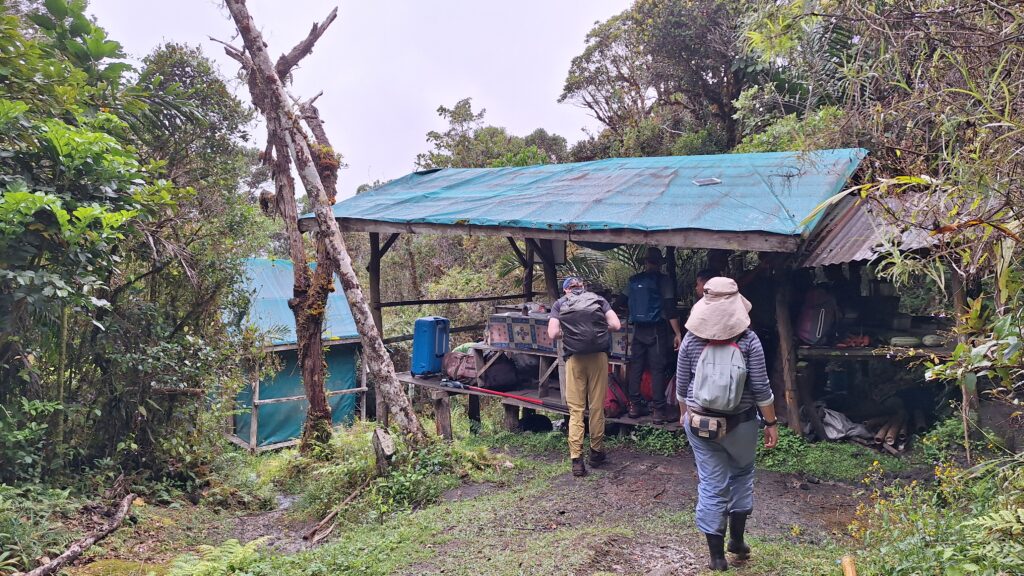
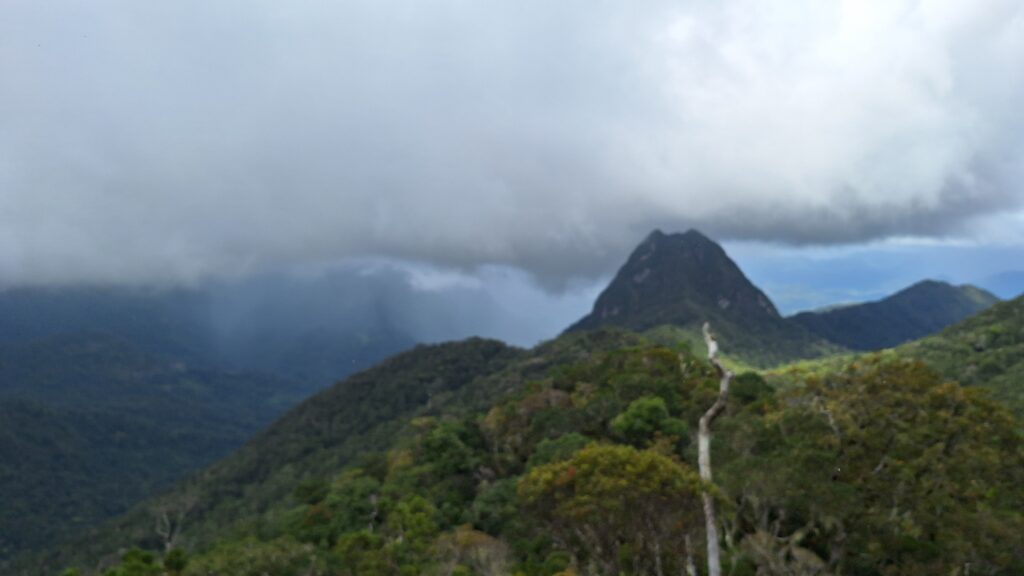
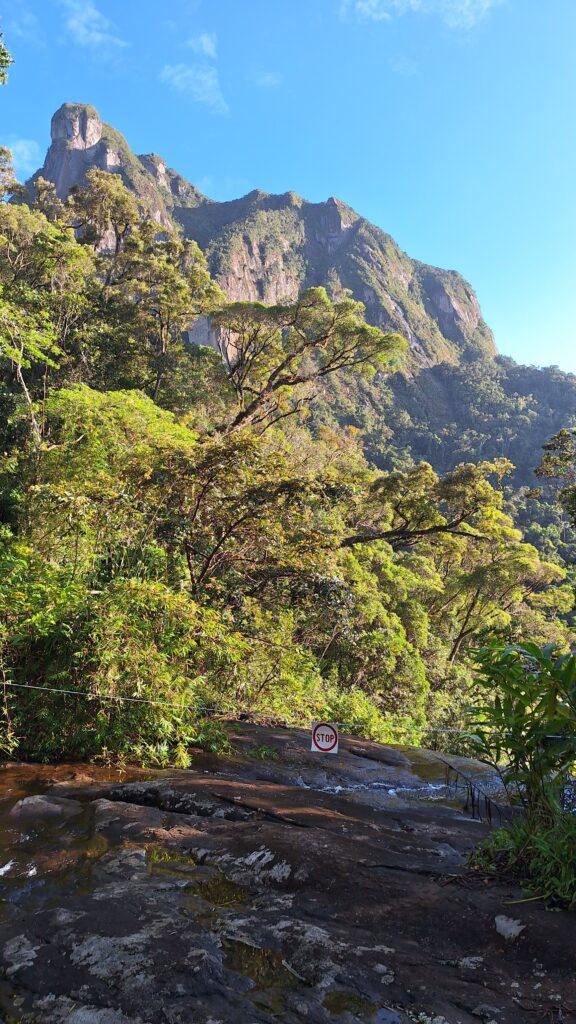
Agnes went on to continue fieldwork in Northern Madagascar in October, with Andrea and Gregor joining from the University of Vienna, and Lalaina and Tsito joining from the University of Antananarivo. Lalaina and Tsito had gained much experience in the Marojejy National park over the past fieldtrips. Again, the team at first worried about not finding sufficient flowers – but as they worked their way up from lowland rainforests climbing the steep slopes of Mount Marojejy, flowering species gradually increased in abundance. The lack of flowers at low elevations was in stark contrast to Lalaina’s, Tsito’s and Agnes’ experience from March, where the genus Gravesia had been flowering abundantly. The team was rewarded, however, with abundant flowering of different species of Medinilla in the higher elevation cloud forests, enabling them to study some unique species and documenting flower visitation by nectar-feeding birds and mammals! As always, Marojejy greeted the team with a mix of sun and much rain, beautiful views, lemurs and rice and beans. Field conditions at Marojejy are the hardest within the MountBuzz project, with all work being conducted from tents and the lack of electricity requiring much planning and charging of batteries for many days of video observations ahead of time. Again, the MountBuzz Madagascar team did a great job documenting plant-pollinator interactions of 20 Melastomataceae species, battling the elements until just before Christmas!

In November, Agnes and Ben went on to a fieldtrip to South Africa focusing entirely on buzz pollination of the Gentianaceae species Orphium frutescens, teaming up with Bruce Anderson, Vini de Brito, Mario Vallejo-Marín, Charlie Woodrow and several others. Within a week, the big team gathered abundant data on the natural history, pollination biology and breeding system of O. frutescens, shared experiences in buzz-pollination research and implemented artifical vibration experiments of hundreds of stamens to test hypotheses on pollen release in this unique buzz-pollinated flower with cork-screw anthers. Working in the biodiversity hotspot of the Cape Floristic Region was a unique experience, and with Orphium growing on exposed cliffs right at the sea side, spectacular views were guaranteed! The team found several species of Xylocopa (carpenter bees) regularly visiting Orphium‘s flowers, seemingly unbothered by the strong coastal winds.